I found myself in one of those weeks.
Too full. Too busy. No margin for the full grocery routine — the planning, the drive, the parking, the shopping, the unloading. It’s never just a quick stop.
And if I’m being real, my kitchen wasn’t empty.
It was just… random.
A cucumber. A few potatoes. Some herbs I had been given by a friend. A couple of freezer items I kept skipping over.
Normally, this is when I’d restock and start fresh.
But I had just finished writing about how to save money on groceries — how the real change isn’t always spending less, but using what you already bought.
So instead of heading to the store, I tried something else:
I pushed my grocery run back by five days.
The Mindset Shift That Worked
Instead of asking:
“What should I buy?”
I asked:
“What can I make from what I already have?”
It’s a small reframe,, but it changed my perspective.
Because suddenly, your kitchen isn’t lacking — it’s just waiting to be used differently.
The thought of gaining back those few hours?
That alone made it worth trying.
What I Had (Real-Life Inventory)
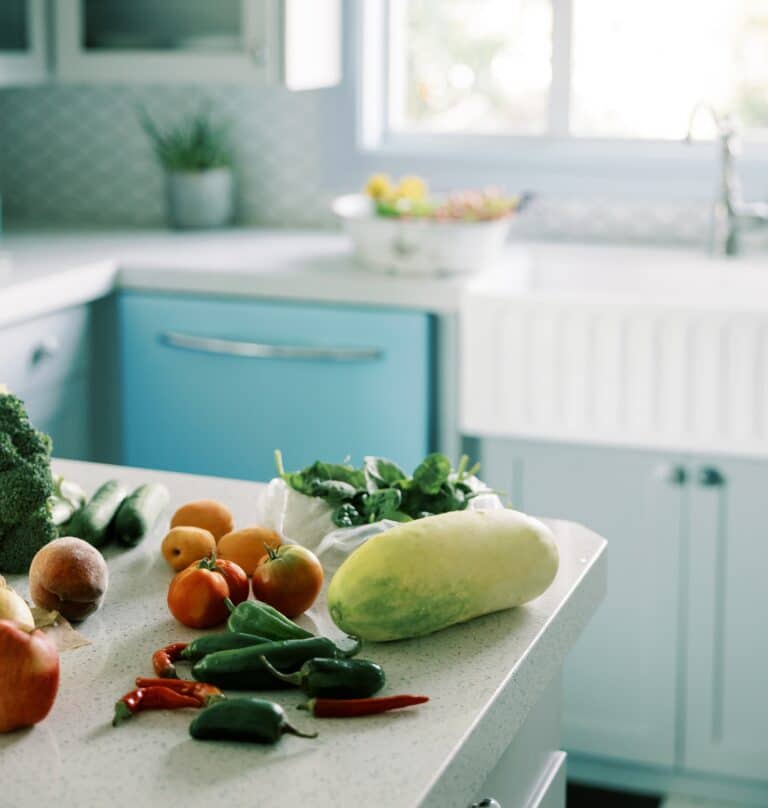
Nothing curated. Nothing planned. Just what was already there:
Fridge:
- 1 cucumber
- 2 eggs
- 1 bell pepper
- 2 russet potatoes
- 8 Yukon gold potatoes
- 1 squash
- fresh basil + cilantro
- 1 oversized carrot
- 1 lime
- 2 Italian salad kits
- shredded cheese
- 1 package of cherry tomatoes
Freezer:
- BBQ pork fried rice (Trader Joe’s, of course)
- 1 tilapia filet
- 2 Italian sausage
- frozen Texas toast
- breakfast sausage patties
- zucchini spirals
- frozen shrimp
Plus a typical pantry — rice, pasta, canned goods. In other words: plenty of food… just not obvious meals.
How I Made a Meal Plan From The Ingredients I Had
I didn’t overthink it. I just needed a starting point.
Instead of staring into the fridge and hoping something would come together, I used what was right in front of me — I listed out everything I had and used the list to build a simple 4-meal plan. (TSDL Tip: If you’re feeling stuck here, try listing your ingredients and asking a tool like ChatGPT or Google, “What meals can I make with this?” It’s a simple way to turn a full fridge into an actual plan.)
Within a few minutes, I had four dinner ideas built around the exact ingredients in my kitchen. From there, I made a few small adjustments to fit what sounded good as the week progressed.
Not perfect meals. Not elaborate recipes.
Just clear, doable options.
I didn’t need to be more creative.
I just needed a plan I could actually follow.
What I Made (Simple Dinners)
- Sheet pan sausage + roasted vegetables
- Sauteed shrimp with tomatoes and basil
- Cilantro lime tilapia bowls with rice and zucchini
- Fried rice remix with leftover vegetables and egg
Nothing fancy. But also — not sad.
What Actually Helped
This is the part that made it work.
Not the meals themselves, but how I approached them:
Started with what I had.
No extra stops, no more “just one thing” from the store. The constraint was the point.
I grouped ingredients instead of stretching them thin
A few meals that made sense, instead of trying to use everything everywhere.
I used the most perishable foods first
Herbs, cucumbers, salad kits — before they had a chance to go to waste.
I built meals around what was already halfway done
Frozen items, pre-prepped ingredients — anything that made dinner easier.
It wasn’t about being creative.
It was about removing obstacles.
Once the plan was clear, everything else felt simple.
The Outcome
I delayed my grocery trip by five days.
I used food I had already paid for.
And maybe most surprising of all —the meals were actually good.
Not perfect. Not styled.
But simple, fun, and a whole lot better than takeout or a frozen dinner.
A Different Way to Think About Groceries
This is the part that isn’t always obvious–most of us don’t need better grocery lists. We need a better plan for what’s already in our kitchen.